

The Stories We Actually Share
We live in a world that’s obsessed with 'the tea,' the perfect timeline, and the 30-second breakdown. But real life—especially the parts involving survival, healing, and the people who stand by us—is never that clean.
This is a space for the nuance we usually scroll past. I’m leaning into my perspective to challenge how we look at trauma—from our demand for 'proof' to the invisible role of the secondary survivor. We’re moving away from the need for perfect evidence and toward curiosity over assumptions and healing without a deadline.
Pull up a chair and let’s get into the messy, beautiful, and uncomfortable stuff together.
When “Moving On” Isn’t the Goal
For a long time, I thought recovering from the assault would work the way recovering from surgery works: follow the instructions, give it six weeks, go back to normal. It doesn't. A reflection on integration instead of closure, the difference between erasing something and learning to carry it, and what that has to do with how we lead.
What We Get Wrong About Strength
We sell strength as something loud: how much you produce, how little you complain, how fast you bounce back. But the strength that actually carries you through a hard season is quiet, repetitive, and mostly unseen, and it usually includes admitting what you can't carry alone.

All the Feels
Some people walk through a room by function. Others walk through it by feel. What I learned from a stapler, an exam room, a coworker's office, and a building designed on purpose for the people who would need it.

The Weight People Carry That You’ll Never See
Three days after I was raped, I went back to work. For a month, no one knew. A reflection on Mental Health Awareness Month, what people carry invisibly, and how to lead with curiosity instead of assumption.
The Aftermath and the Nurse Who Stayed
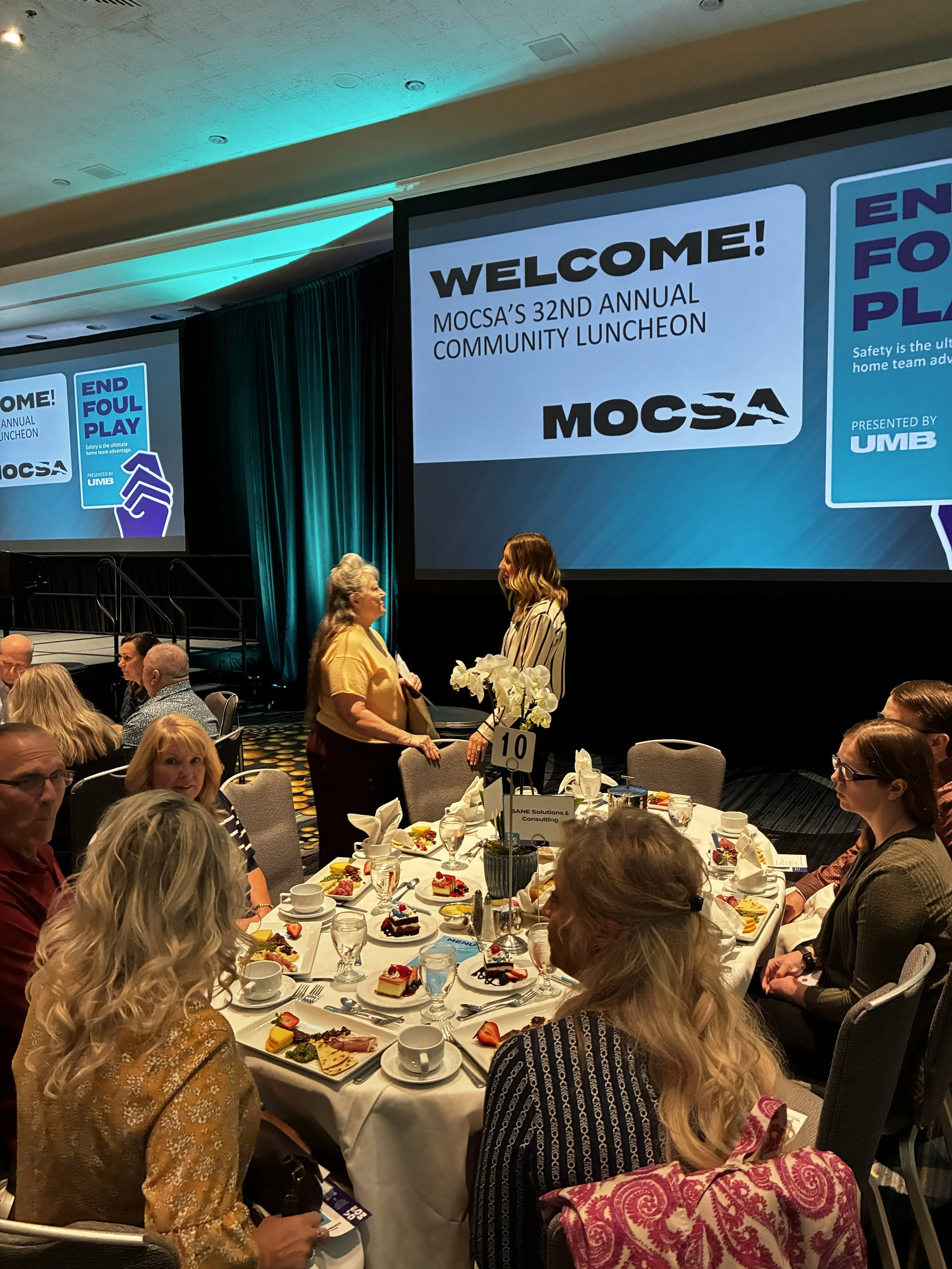
We often talk about the moment of trauma, but we rarely talk about the aftermath—the blurry, lifelong process that doesn’t fit into a 90-minute documentary. In a chance reunion with the SANE nurse who cared for me 12 years ago, I realized that while institutions may choose silence, individuals can choose a compassion that lasts a lifetime.

When the Room Is Full
Last week, sitting in a room with a thousand others listening to the story of Surviving Ohio State, I felt a familiar tension. We’ve become much better at telling stories of trauma than we are at responding to them. From the systemic failures at a major university to the personal burden of proving a perpetrator's "intent," why is the bar for belief still set so high?