
In the weeks after I was assaulted, I gave myself three words to hold onto: I am strong. I said them in the car, in the middle of yoga poses I could barely hold, in the quiet before sleep when the quiet was the hardest part. And every single time, they felt like a lie. I was not strong. I was barely getting through the day, and some days I wasn't sure I was managing even that.
So I kept saying it anyway. Not because I believed it, but because I had nothing else to reach for. I am strong. I am strong. I am strong. It took weeks. Eventually, somewhere in all that repetition, a small part of me started to believe it.
That is not the version of strength we usually talk about.
The version we sell is louder. "Stay strong," we tell people, as if strength is a posture you can choose to hold. Hustle culture treats it as output: how much you produce, how little you complain, how fast you bounce back. We admire the people who seem unbothered, who carry heavy things without ever looking like they're carrying anything at all. We call that strong. Then we wonder why so many capable people fall apart in private while looking fine in every room they walk into.
Why does telling someone to "stay strong" so often miss them?
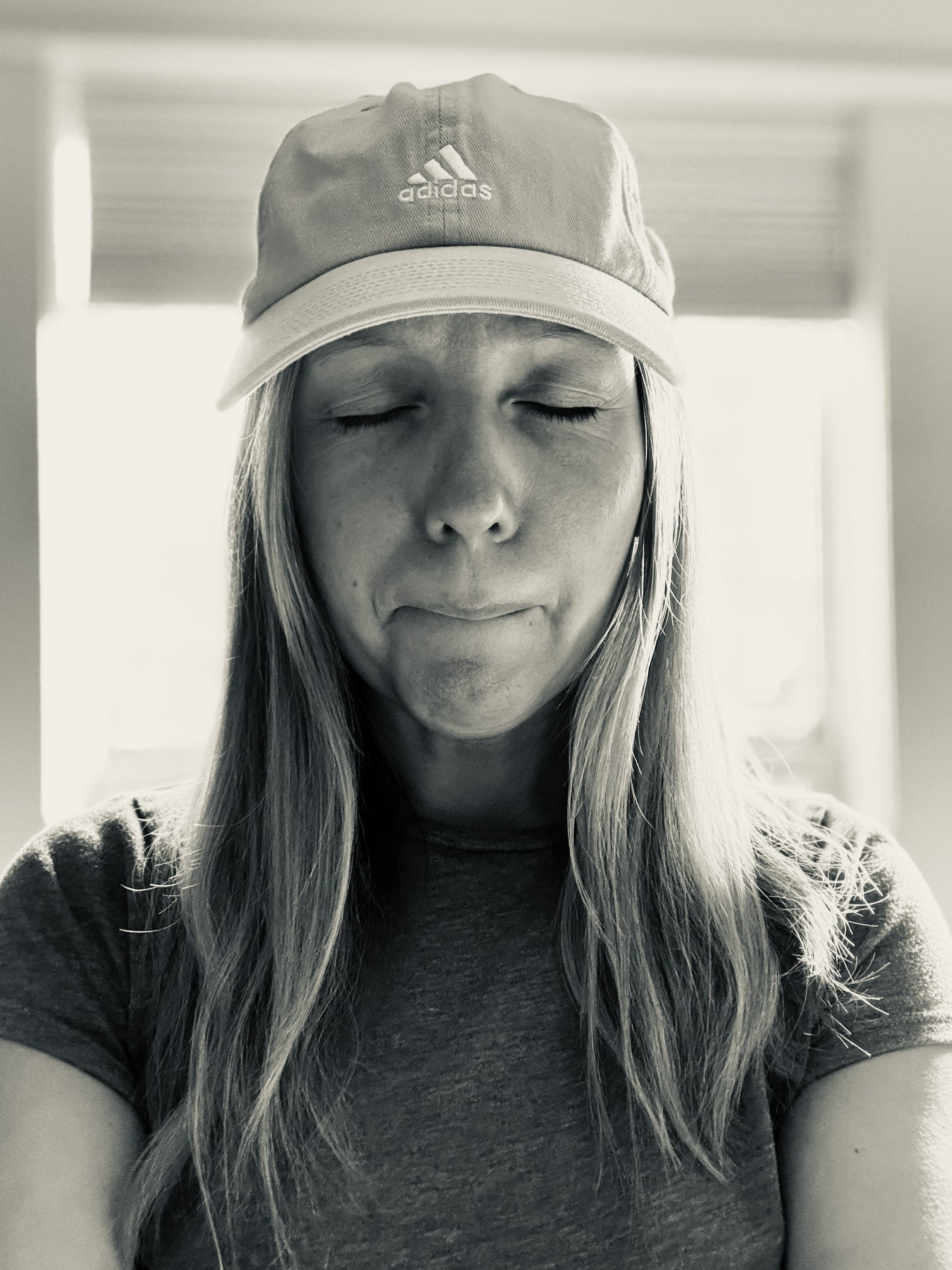
"Stay strong" usually asks the person to manage their pain quietly so it's easier on everyone around them. It sounds like support. Often it lands as instruction: don't fall apart here, don't make this heavy for me, keep it together so I don't have to sit in the discomfort of watching you struggle. The person on the receiving end hears all of that. They learn to perform okayness. They get very good at the face that says I've got this while the actual carrying happens somewhere no one can see.
I was an expert at that face. I had spent years being the person who handled things, and I did not know how to stop being her just because my whole life had come apart.
What does strength actually look like up close?
Strength up close is quiet, repetitive, and almost always unimpressive from the outside. It's the mantra you repeat a thousand times before you believe it once. It's getting out of bed on the morning you most want to stay in it, keeping the appointment, having the conversation you'd rather skip, doing the next small thing when you can't see past the end of the day.
None of that looks like the strength we put on posters. There's no triumphant music and no one is watching. Most of the time, the strongest thing a person does in a given week is something nobody else will ever notice. The grand, visible version gets all the credit. The real version is mostly invisible, and it's the one that actually carries you through.
Why do the most capable people get strength most wrong?
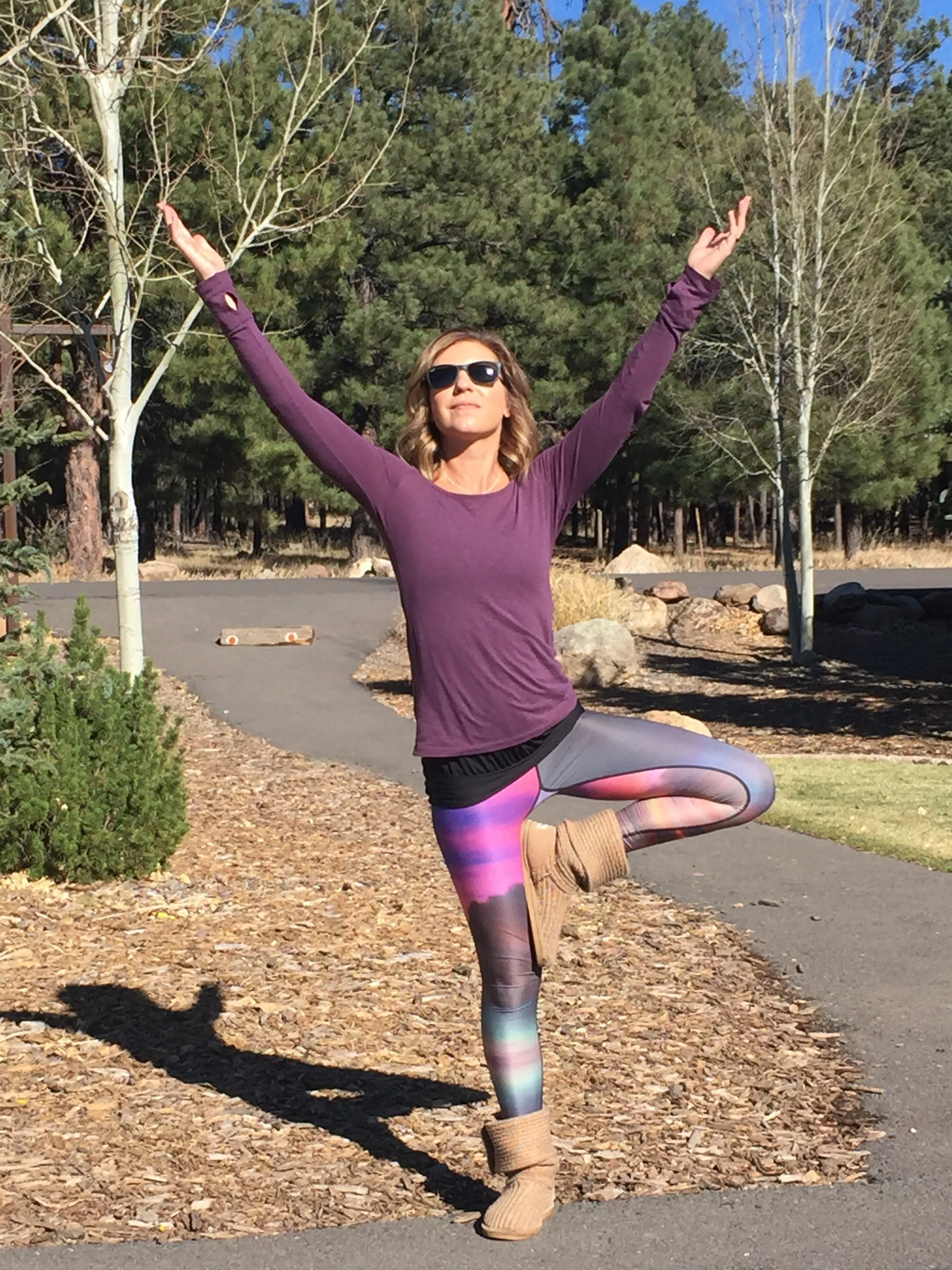
The most capable people get it wrong because they've confused strength with self-reliance. If you're the one others lean on, if handling things is part of how you understand yourself, you'll be slow to let anyone in. Asking for help feels like a failure of the very quality you're most proud of. So you carry things alone that were never meant to be carried by one person, and you call that strength.
It isn't. Or at least, it isn't only that. The kind of strength that lasts through a long, hard season includes knowing what you can't carry by yourself and being willing to say so out loud. For me, that meant leaning on my husband, on my therapist, and on a small circle of friends who had earned that kind of trust. It meant letting the weight be shared instead of proving I could hold all of it. That turned out to be far harder, and far braver, than gritting my teeth and going it alone.
So what is strength, if it isn't holding it all together?
Strength was never about holding it all together. Holding it all together is mostly performance with good posture. Real strength is what's left when the performance stops: the willingness to keep moving when you have no idea how things turn out, to be honest about how heavy it is, and to do the next thing even when the next thing is small.
Some days that next thing is a hard phone call. Some days it's a workout you don't want to do. On the worst days, it was simply getting up, and that counted. It was the whole list.
If "stay strong" has stopped working for you, you're not weak and you're not failing. You may just be learning the difference between looking strong and actually being it.
I wrote more about what happens when the old way of handling things stops working in a short read called When the List Stops Working.
Jessi Bixler is an entrepreneur, marketing strategist, and the author of The Story We Share (Next Thing Press, 2025), a memoir about the ripple effects of sexual assault through a family and the systems that respond to harm. She speaks to leadership audiences and advocacy organizations on what people carry and how it shapes how we lead.
Get the book | Subscribe to the newsletter | Book Jessi to speak