
When the Room Is Full
The Proof-of-Purchase Model of Empathy
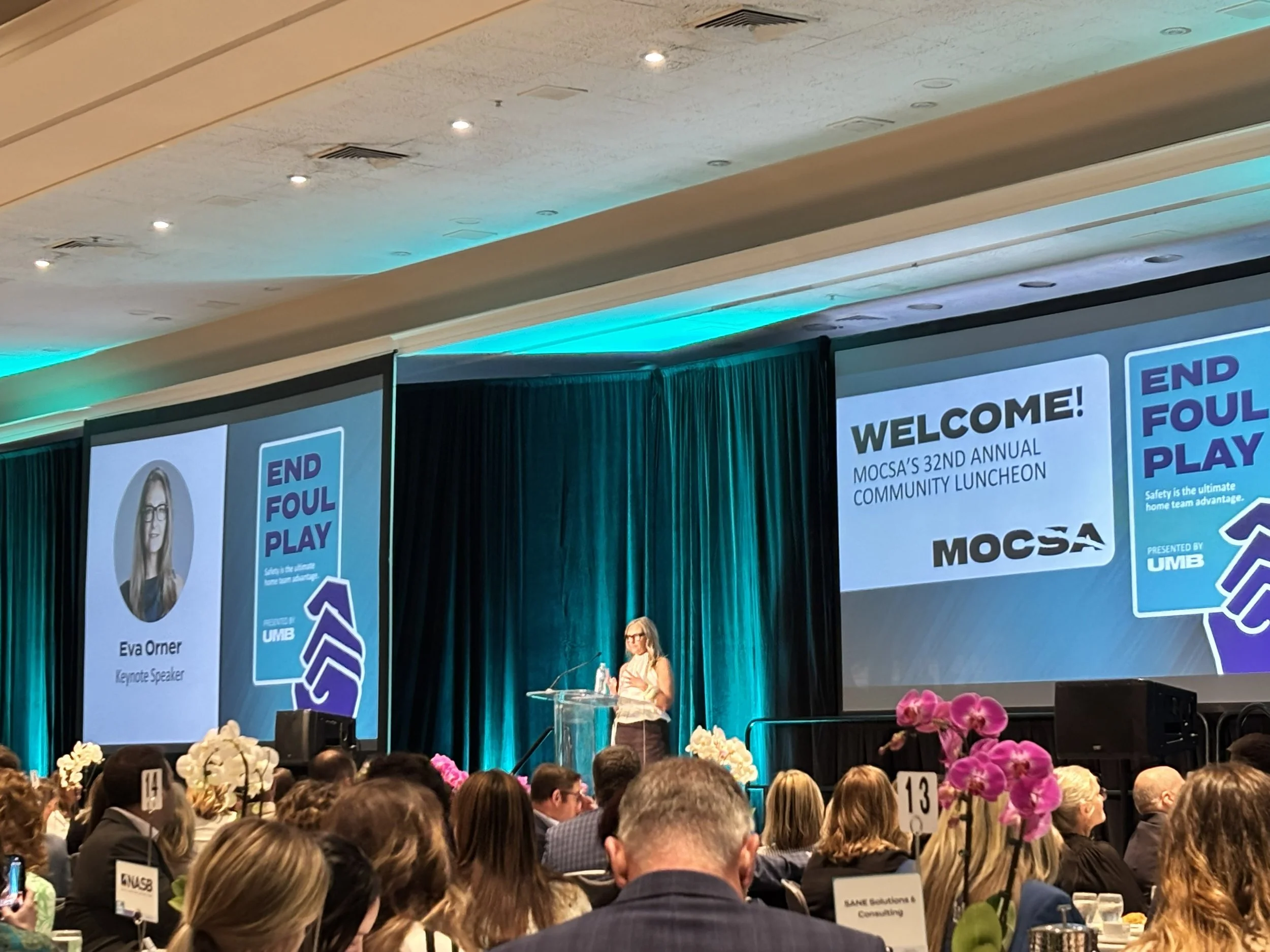
Last week, I sat among a thousand people at the MOCSA community luncheon, listening to Eva Orner discuss her documentary, Surviving Ohio State. An event like that carries a specific kind of gravity before you even walk through the doors. It isn't just the sheer scale of the crowd; it’s what that crowd represents, which is a collective willingness to look at something that, for a very long time, stayed hidden, minimized, or dismissed.
I’ve been in that room before, but the view was different. A few years ago, I stood on that stage as the survivor speaker. I remember looking out at a sea of faces, trying to trust that my truth would land somewhere beyond the applause. There is a strange tension in that moment: you are handing over your most private reality, knowing you have zero control over what people do with it once they leave the ballroom and head to their cars. Sitting in the audience this time, that same tension rose up again, though it felt heavier from this side of the table.
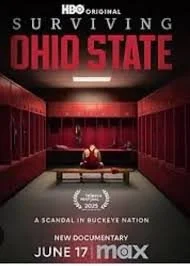
After the event, I went home and watched the documentary. I was sick. Surviving Ohio State tells a story that is now documented and undeniable—decades of abuse by a trusted doctor, thousands of students impacted, and an institution that chose silence over safety. Dr. Richard Strauss spent decades abusing male athletes while Ohio State knew and ignored his crimes. It was gut-wrenching to see the names of those who knew and did nothing, including coaching staff and current Congressman Jim Jordan, who was an assistant coach at the time.
Watching the film, I was struck by the haunting similarities in the legal space to what I had to go through. While the documentary focuses on the failure of a massive institution, the core tactics of denial remain the same, whether you are fighting a university or a single person. In my own case, the battle wasn't just about the facts of what happened; it was about the impossible burden placed on me to prove a man’s "intent."
The legal system often creates a landscape where the harm itself isn't enough. Instead, the weight is placed on the survivor to climb into the mind of the person who hurt them and provide evidence that they intended to cause the assault. It is a secondary form of gaslighting—a systematic effort to protect the perpetrator’s reputation and clean history while the reality of the harm is pushed to the side.
We are, finally, talking more. There are documentaries, investigative reports, and national headlines that would have been unthinkable fifteen years ago. And yet, a familiar frustration settled in: We have become much better at telling these stories than we are at responding to them. There is a disconnect that happens when the lights come up. We are willing to sit in a room and feel the weight of a story when the environment is controlled and the expectations are defined. But outside those walls, the old patterns remain. Survivors are still questioned in ways that shift the "why" away from the harm and toward their own choices. Credibility is still measured by how comfortable the truth makes the listener feel.
I realized we are still operating on a proof-of-purchase model of empathy.
We wait for the story to be big enough, clear enough, or documented enough that it becomes impossible to ignore. We wait until the evidence stacks so high that believing is finally easier than looking away. But it was already real. It was real long before the film crew arrived. It was real when it was just one person, in a quiet room, wondering if anyone would ever believe them.
While I am profoundly grateful that a thousand people showed up last week, I’m also holding the frustration that attention shouldn't be this hard to earn. Belief shouldn’t be conditional. Care shouldn’t depend on how well a story is packaged or how many victims are attached to the headline. At some point, the question has to shift. We have to stop asking, "Is this happening?" and start asking, "Why did it take this much for us to take it seriously?"
Witness the Story
If you are ready to look closer at the narratives we often overlook, I highly recommend watching Eva Orner’s documentary. It is an uncomfortable but necessary look at what happens when institutions prioritize their reputation over the safety of the individuals they serve. You can stream Surviving Ohio State on HBO Max.
To learn more about MOCSA (Metropolitan Organization Countering Sexual Assault) and the work they do in our community, visit mocsa.org.
Jessi Bixler is an entrepreneur, marketing strategist, and the author of The Story We Share (Next Thing Press, 2025), a memoir about the ripple effects of sexual assault through a family and the systems that respond to harm. She speaks to leadership audiences and advocacy organizations on what people carry and how it shapes how we lead.
Get the book | Subscribe to the newsletter | Book Jessi to speak