

The Stories We Actually Share
We live in a world that’s obsessed with 'the tea,' the perfect timeline, and the 30-second breakdown. But real life—especially the parts involving survival, healing, and the people who stand by us—is never that clean.
This is a space for the nuance we usually scroll past. I’m leaning into my perspective to challenge how we look at trauma—from our demand for 'proof' to the invisible role of the secondary survivor. We’re moving away from the need for perfect evidence and toward curiosity over assumptions and healing without a deadline.
Pull up a chair and let’s get into the messy, beautiful, and uncomfortable stuff together.

The Ripple Effect
Trauma is rarely a solitary experience. While we focus on the survivor's splash, we often overlook the ripples that reach the partners, parents, and children on the shore. Explore the weight of the witness and why supporting secondary survivors is the missing piece of the healing puzzle.
Baby Videos Are Hard
Watching baby videos should be a joyful trip down memory lane. But when trauma thins out your memory, those videos don't restore what was lost—they simply light up the gap. A reflection on the "low-burning" anger of stolen moments and the quiet, hard work of staying present with the life you have today.
You Don’t Need a Perfect Story to Tell the Truth
We often wait to speak because we are afraid our story is too jagged, or our timeline isn't organized enough. But truth isn’t found in the polish. Discover why 'I don't know how to explain this yet' is often the most honest thing you can say, and why you don’t owe the world a perfect performance of your own life.
Beyond the Investigation
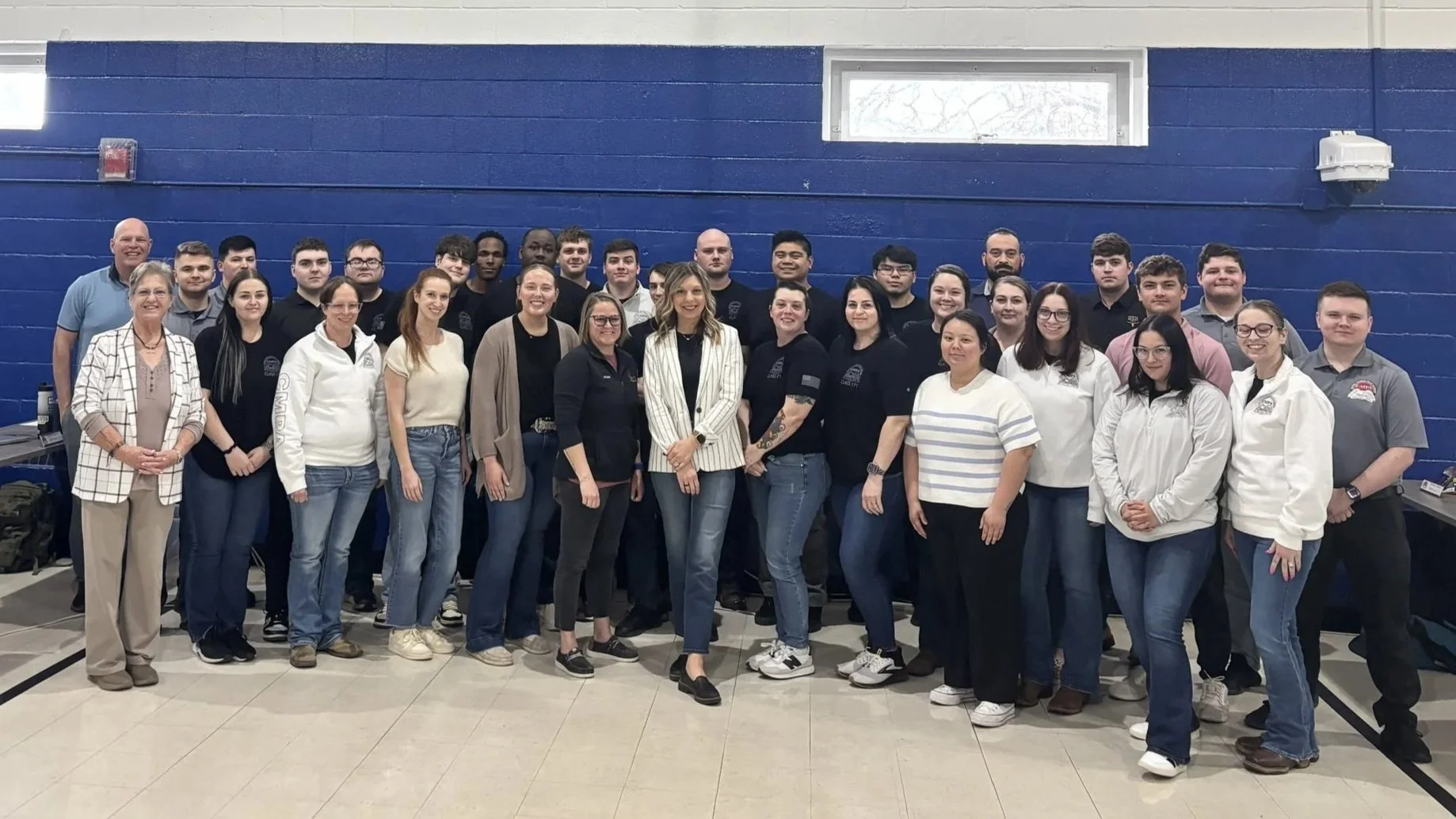
What happens when a search for whale books leads to a training session for police cadets? I’m sharing the story of my trip to the Central Missouri Police Academy and the hope I feel for the next generation of officers.
Confusion Doesn't Get the Final Say
Confusion doesn’t have to get the final say. I’m sharing 6 practical filters for staying grounded when the internet feels like a courtroom—from separating facts from feelings to knowing when to just sit in the 'I don't know.'

Why We Dissect Other People’s Trauma
Why do we rush to decide someone’s story for them? Explore the ethics of uncertainty and why our cultural obsession with 'proof' often strips survivors of their agency. Learn how to move away from assumptions and back toward human dignity.