

The Stories We Actually Share
We live in a world that’s obsessed with 'the tea,' the perfect timeline, and the 30-second breakdown. But real life—especially the parts involving survival, healing, and the people who stand by us—is never that clean.
This is a space for the nuance we usually scroll past. I’m leaning into my perspective to challenge how we look at trauma—from our demand for 'proof' to the invisible role of the secondary survivor. We’re moving away from the need for perfect evidence and toward curiosity over assumptions and healing without a deadline.
Pull up a chair and let’s get into the messy, beautiful, and uncomfortable stuff together.
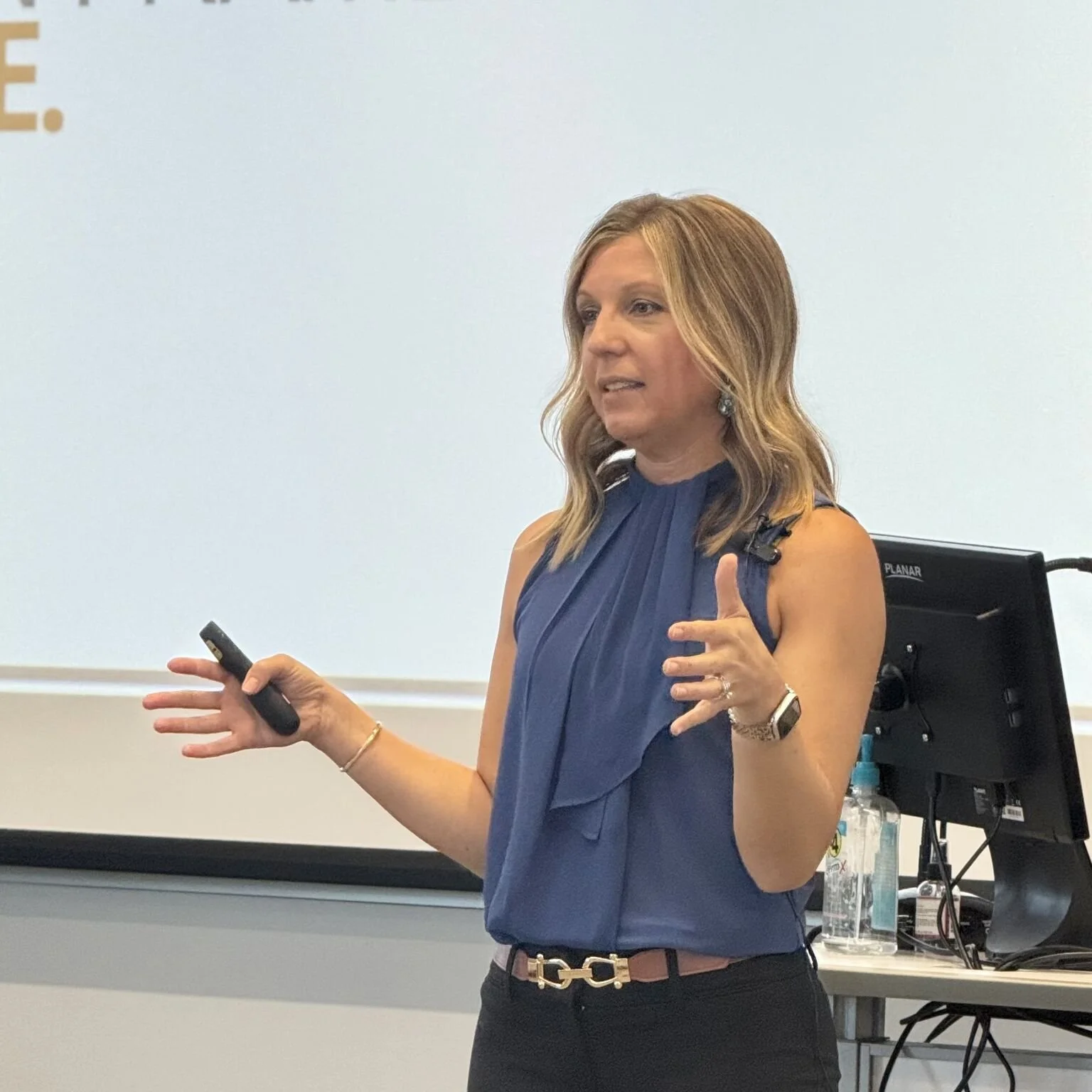
Everyone in That Room Was Having a Differet Week
At the first session of my Central Exchange series, I put my phone on Do Not Disturb before I walked in, so that nothing landing in the next hour would decide how I showed up. Then I asked thirty women to name one thing they were carrying, and realized every person in the room was having a different week. Here's what that changes about how we show up for the people across the table from us.
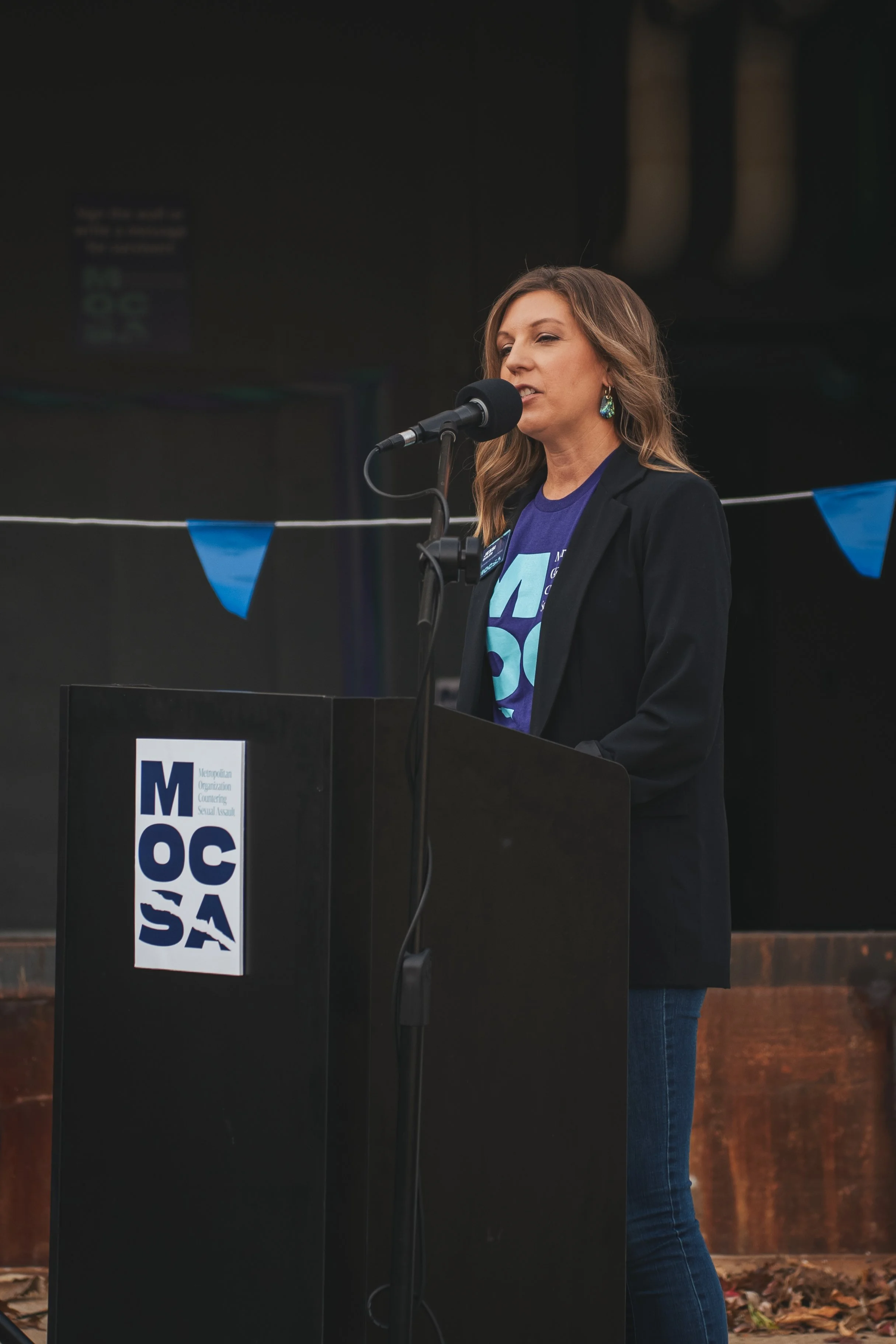
I'm a Planner Standing Up to Talk About What Planning Can't Fix
I know how to walk a room through a problem and land on the thing to do about it. This talk is about the moment when there's nothing on the list to do, and why that's the part of leading nobody puts in the job description.
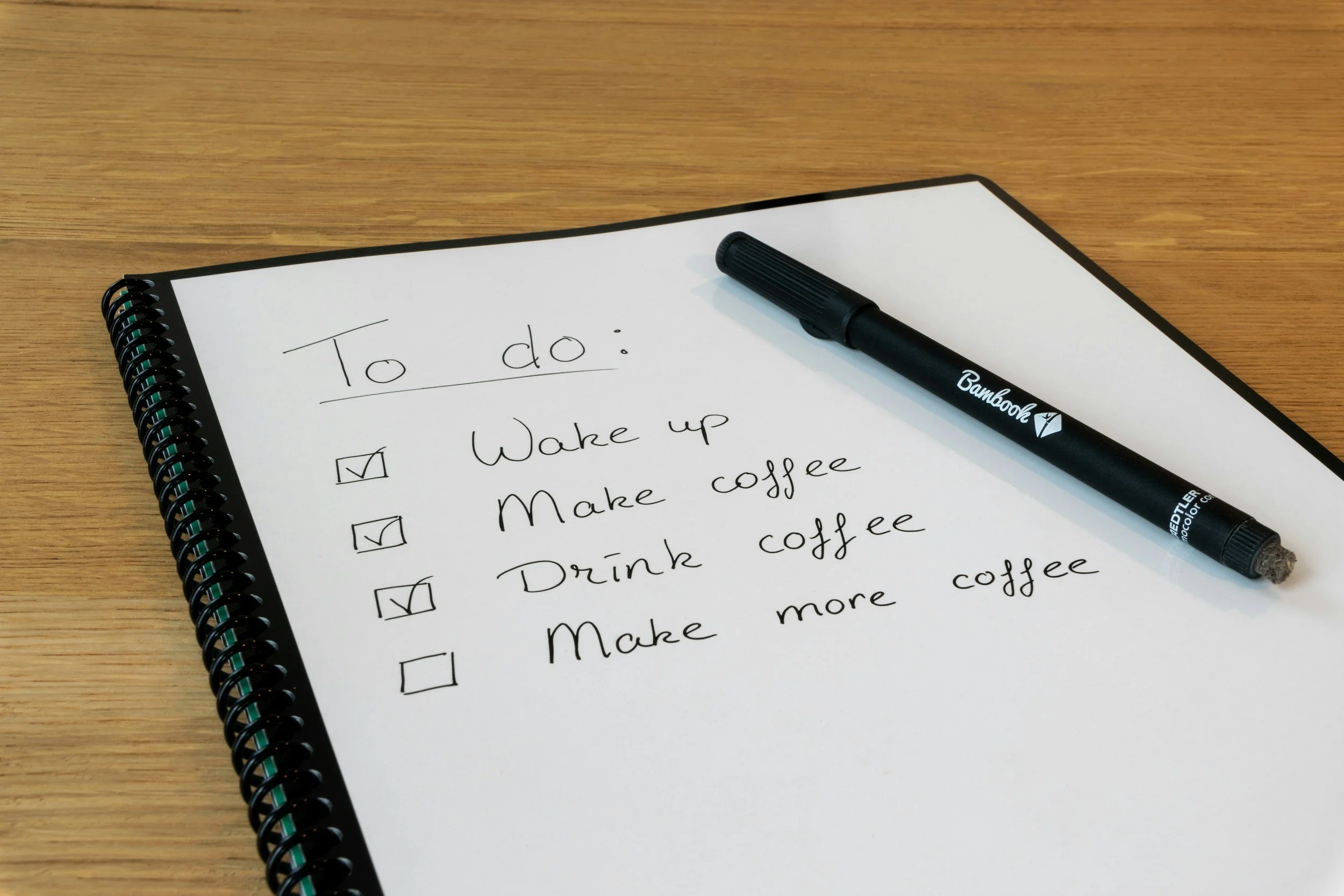
Do the Next Thing
"Just do the next thing" is good advice, right up until you can't tell what the next thing is. When the news is loud, the decisions are piling up, and you're frozen in place, the move is to make the step smaller. A look at why movement comes first, and clarity tends to follow.

Why We Ask the Wrong Questions After Something Hard Happens
Why was she there? Had she been drinking? Why didn't she fight back? The questions that follow sexual assault run in the opposite direction from the ones we ask after any other crime. And they follow divorces, layoffs, and diagnoses too. On the wrong questions, where they come from, and why the first response should always be care, not interrogation.
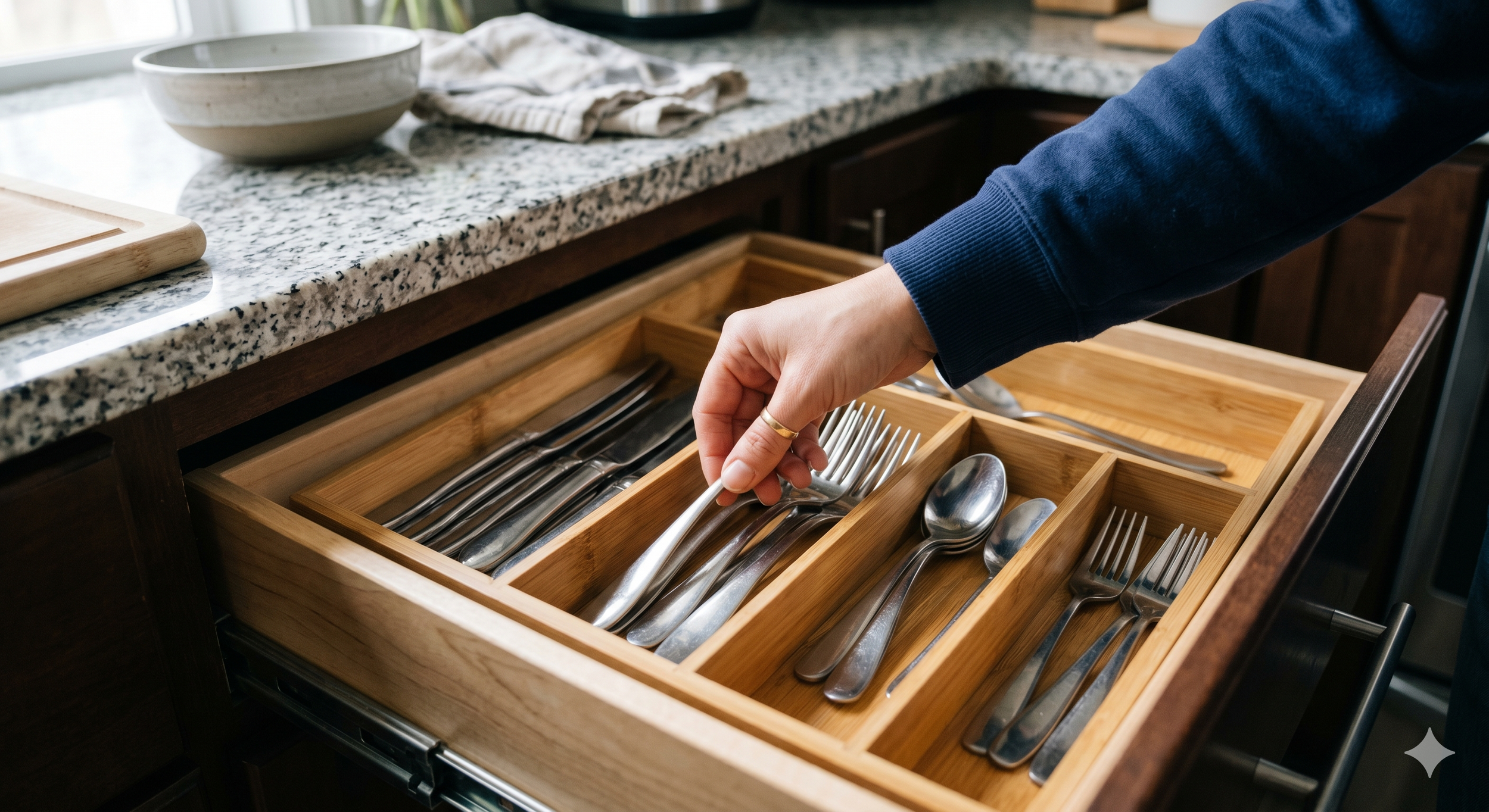
I Know Where the Forks Are
This morning I reached for a fork without looking, and it got me thinking about the handful of kitchens I know that aren't mine. A reflection on chosen family, on what it means to know where a friend keeps the forks, and why the people who've logged the ordinary hours are the ones who can hold the hard things when they come.
When “Moving On” Isn’t the Goal
For a long time, I thought recovering from the assault would work the way recovering from surgery works: follow the instructions, give it six weeks, go back to normal. It doesn't. A reflection on integration instead of closure, the difference between erasing something and learning to carry it, and what that has to do with how we lead.