
One room, one hour, and a dozen private versions of the same lunch.
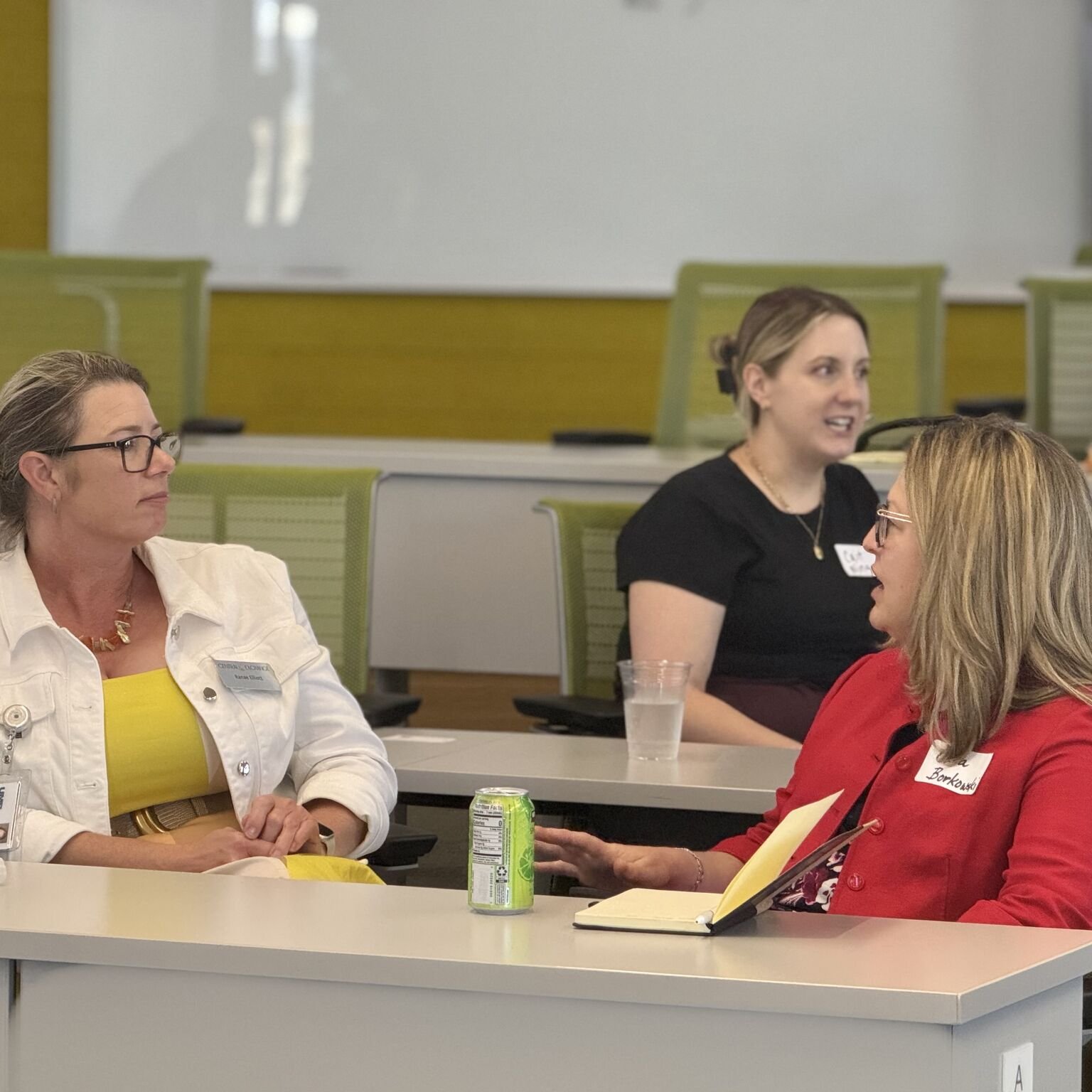
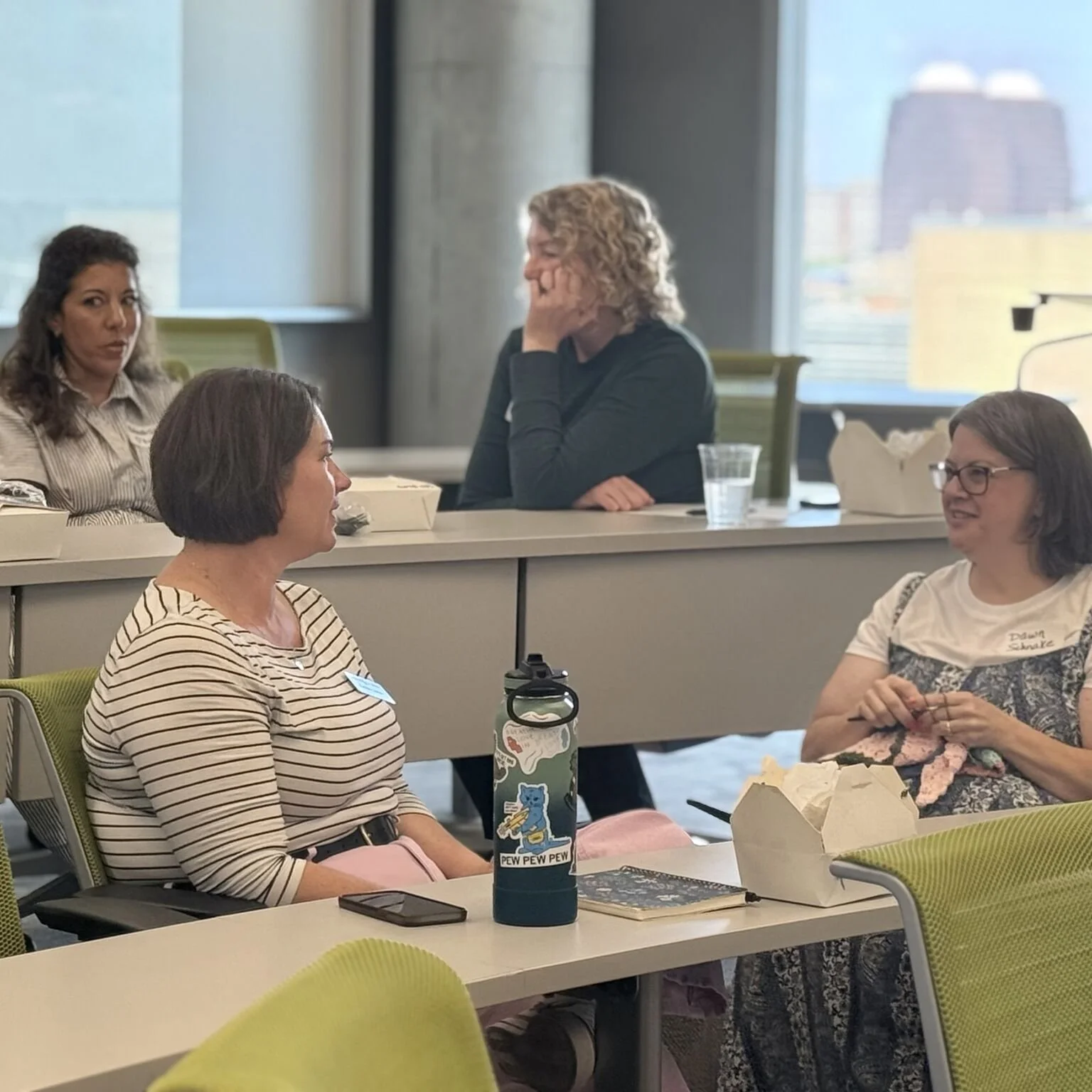
When I asked thirty women to turn to the person next to them and name one thing they were carrying that day, the room changed its sound. For twenty minutes it had been the quiet of an audience. Then it became the low, close hum of people telling one other person something real, and from the front of the room I could barely hear any of it. The room filled with quiet conversations I had started and couldn't hear.
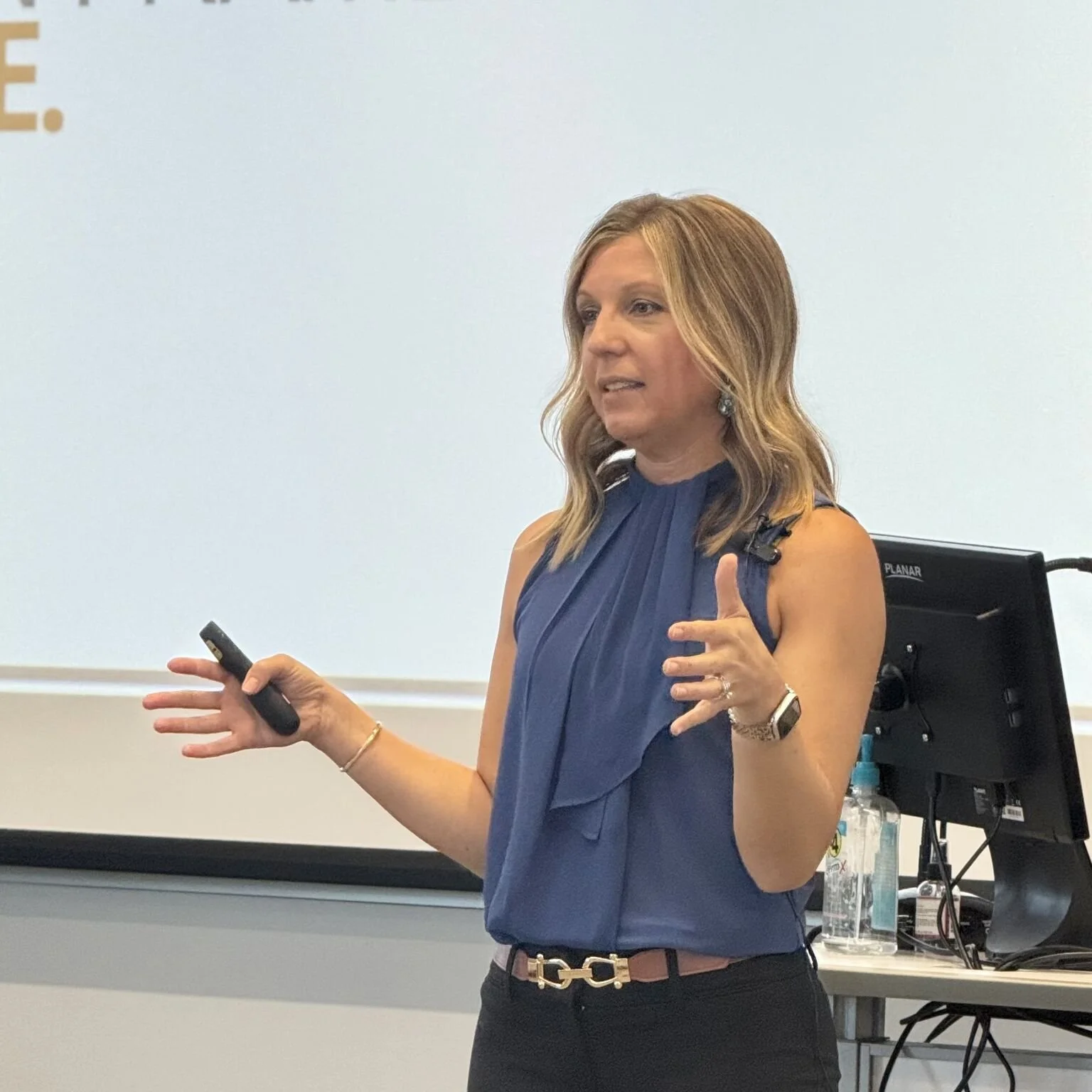
That was Tuesday, at the first session of a series I'm running at the Central Exchange, in Bloch Executive Hall at UMKC. Everyone had answered the same invitation and shown up to the same room for the same hour of lunch. Thirty women who, from where I stood, looked like one attentive audience.
What was actually happening while I talked?
Thirty different weeks were happening at once, and the lunch was the only thing we truly shared. Everyone in that room had blocked the same spot on the same calendar. What none of us could see from the outside was the week each person had walked in from. Maybe a hard conversation was waiting for someone that afternoon. Someone else might have been fine, mostly, and grateful for a quiet hour and a plate of lunch. I don't know which, because I'd asked them to tell a neighbor, not me, and the specifics stayed where they belonged.
What I could see was the nodding. When I talked about the routines we run without thinking and the things we carry without naming, heads moved all over the room. The nodding told me it was landing. It didn't tell me where.
Why does the same hour land in so many different places?
Because everyone arrives mid-story. The program was one shared hour. The story each woman brought into it started long before she found parking. So when I said something about what we carry, I wasn't dropping a single idea into thirty identical minds. Each person was matching it against her own week and whatever she hadn't said out loud that morning.
Every nod in that room was a person recognizing her own version of what I'd said. Same words, thirty translations.
This is the thing my whole book is built on, actually. Put several people inside the same event and you don't get one account. You get several, all of them true, none of them matching. I wrote it that way because that's how it works in a family. Standing at the front of that room, I watched it work in a lunch.
What was I doing before any of them saw me?
I was putting my phone on Do Not Disturb, on purpose, so that whatever came in over the next hour wouldn't get to decide how I showed up for these women. I know myself well enough to know that one text or the wrong email can get into me and quietly reset a whole talk before I've said a word. So I took it off the table. I couldn't control the week I'd had or the week anyone in that audience was carrying. I could control whether I gave myself a fair chance to be present.
And it still almost came apart. I couldn't figure out which building to walk into or how to find the room, and I could feel the nerves climbing. Then the mic I'd set up to record wouldn't connect, and my brain started running toward the worst version of the next hour. I stopped, worked the problem, and found another option. The talk didn't turn into a catastrophe because I got a half-second between the thing going wrong and what I did next.
Some of the women in that room didn't get to set their phones down before they walked in. Maybe one of them took a call in the parking lot that changed her whole afternoon. Maybe a kid needed something at the exact wrong minute, or an email landed that she couldn't unread. You can't keep the hard thing from finding you. You can give yourself your best chance of meeting it as yourself, and that half-second of room is what lets you respond to what comes instead of only reacting to it.
That half-second has a plain, unglamorous version, and it's the one thing I asked the room to take with them if they took nothing else. When something gets in, and I can feel the reply forming faster than I can think, I get up and walk away before I answer. The feeling doesn't disappear. It's still there when I sit back down. What changes is that I can see the thing from a different angle, and a different angle almost always changes how I respond. Walking away feels like losing, but it's not. It's taking something back that had almost gotten away from you.
And it feels like it. On my end, I feel powerful, like I caught something a half-second before it got out the door. I told the room I try not to reach for the overused phrases, but I'd make an exception for this one, because as women it really does feel like taking back our power. Their words don't get to run the show.
“Walking away feels like losing, but it’s not. It’s taking something back that had almost gotten away from you. Their words don’t get to run the show.”
What does this change about how you run a Monday meeting?
It changes the assumption you start with. I put my phone down that morning to give myself a fair chance at the hour ahead. Most of the people you'll meet on Monday didn't get that, and the person across the table from you is mid-something you can't see. The one-on-one you scheduled is a Tuesday afternoon to you and a whole week to them, and most of that week is invisible from your side of the desk.
You can't fix that by guessing what someone is carrying, and you shouldn't try. What you can do is leave a little room for the version of their week you don't have. Before the agenda, ask what kind of week it's been, and then actually wait for the answer instead of moving on when they say "busy." One real question, one real pause. It costs you thirty seconds and it changes what the next thirty minutes are built on.
You don't have to hear what someone is carrying to run the meeting like they're carrying something. Most of the time, they are.
What stayed with me after I finished?
A quiet that told me it had worked, even though I never heard a word of it. When I called the room back together, it came back closer than it left. Something settles in a group of people right after they've each said one true thing to another person, and I felt it from the front. I still don't know what most of those thirty women told the person beside them. I only know the room was full of answers I'd never get to hear, and that when we finished, every one of them walked back out into a week that was hers alone.
If your list has stopped working lately, I made something for you. When the List Stops Working is a short, free read about what comes after the answers you trusted run out.
Jessi Bixler is an entrepreneur, marketing strategist, and the author of The Story We Share (Next Thing Press, 2025), a memoir about the ripple effects of sexual assault through a family and the systems that respond to harm. She speaks to leadership audiences and advocacy organizations on what people carry and how it shapes how we lead.
Get the book | Subscribe to the newsletter | Book Jessi to speak